


Domain whois: the technical detail and everything you need to know
This article is 6 years old — prices and terms may have changed.
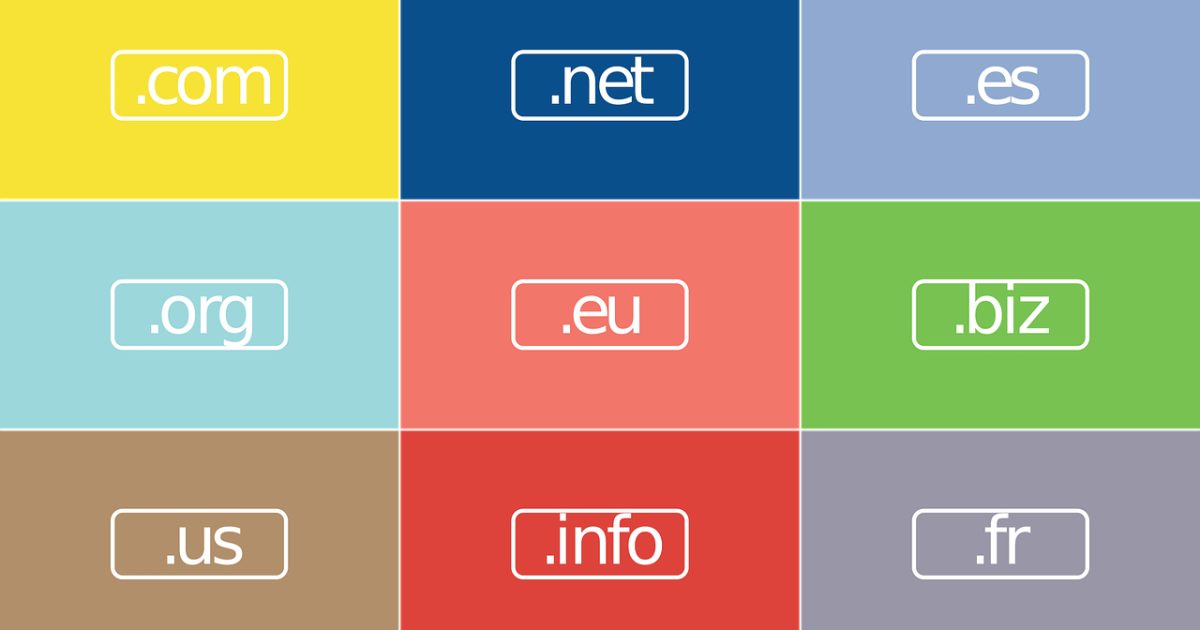
When you register a domain for a site, your personal information is stored in a public database. It is called Whois. On the one hand this is worldwide practice and a requirement of the law. On the other, it is very important to protect your personal information from spammers, fraudsters and simply unscrupulous competitors.
In this article we will cover:
-
What is a domain's registration date?
-
How is a domain checked through whois?
-
Can a domain's whois data be hidden? How is that done?
And much more.
What is Whois and what information does it hold?
Whois is a system for collecting, processing and storing data about domains and their administrators. Through it you can find out:
-
when the domain was registered;
-
the date the registration expires;
-
current information about the registrar of that web address;
-
the administrator's details (if they are not hidden).
Information about a domain: which data is stored?
The screenshot below shows an example of the information about a domain.

Here you can see the "expires on" line. This is the date up to which the domain lease runs. If the domain is not renewed before that date, the cycle of expiry and deletion begins.
Which data about the domain's owner is kept?
Information about who owns the domain is the next important block. The screenshot above shows an example of the first section with personal data.
The registrant's name is recorded as the name of a private person or their position in a company or state body. Depending on who registered the domain, the registrant contact section may hold your details or those of the hosting provider.
Why should you give only real details?
Many people ask why only real details should be given when registering a domain. If it turns out that the information is untrue, the registration of the domain name may be suspended.
To avoid losing ownership of a domain, bear in mind several other important rules:
-
The registrant's and the administrator's data have to contain your own contact information. You will not control the domain if those fields hold somebody else's contact details.
-
It is important that the section holds only current information. Watch the e-mail address especially closely. In any dispute over the ownership of a domain, the owner's e-mail address is a stronger argument than the registrar's.
-
Make sure you always have access to the mailbox given at registration. The mail service can be any (gmail, for instance), but we strongly recommend enabling two-factor authentication.
The main technical data in whois
This section says where on the internet your domain sits. It holds the server name and the address. That information is needed for complaints about a site's content, mainly for copyright infringement.

Privacy protection
Protecting the ID of a new domain means that all the personal information is hidden and replaced by the data you see in the screenshot.

The Host4Biz team will help you keep your privacy when registering a domain. Choose hosting and register domains through our site.